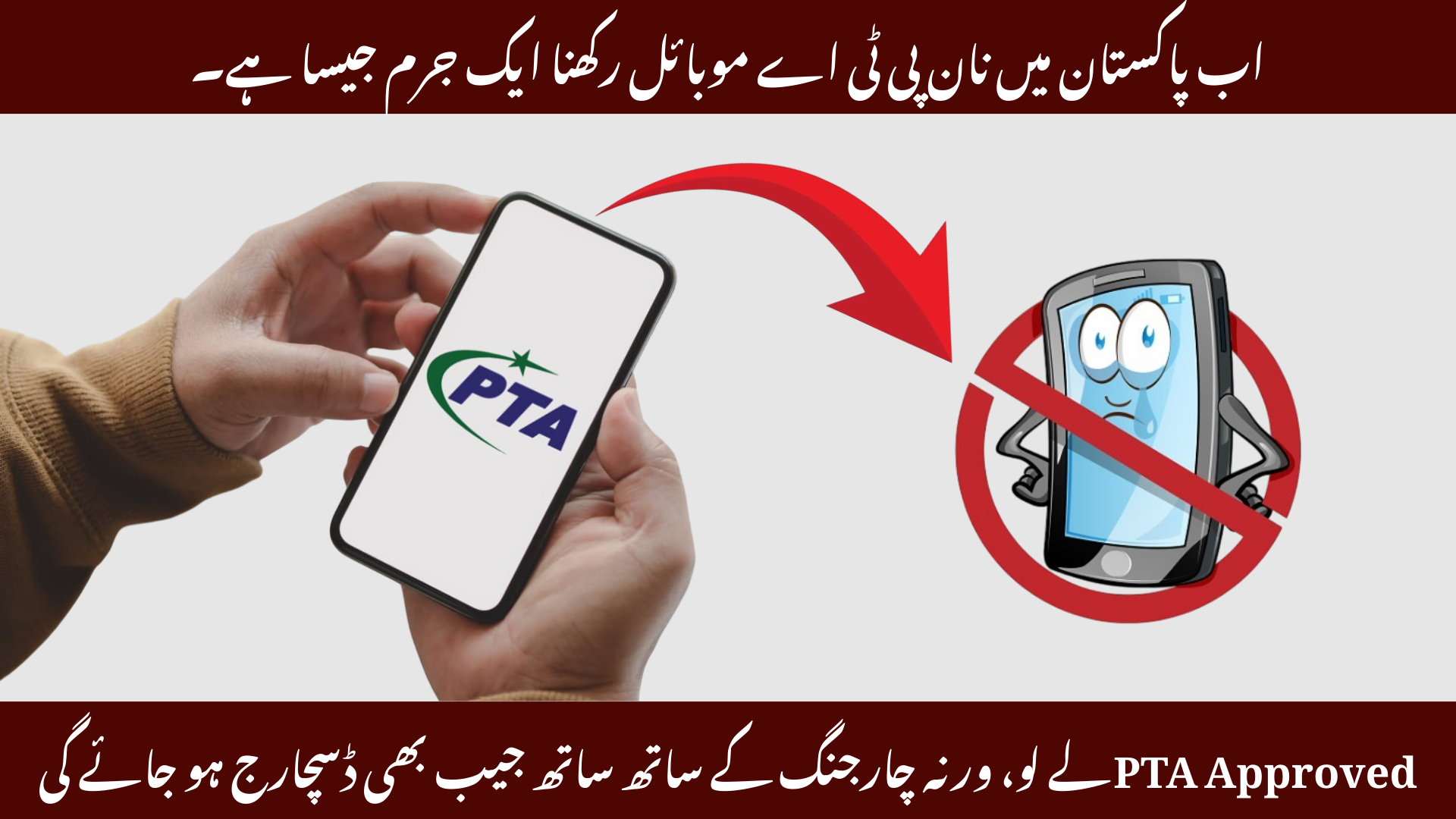
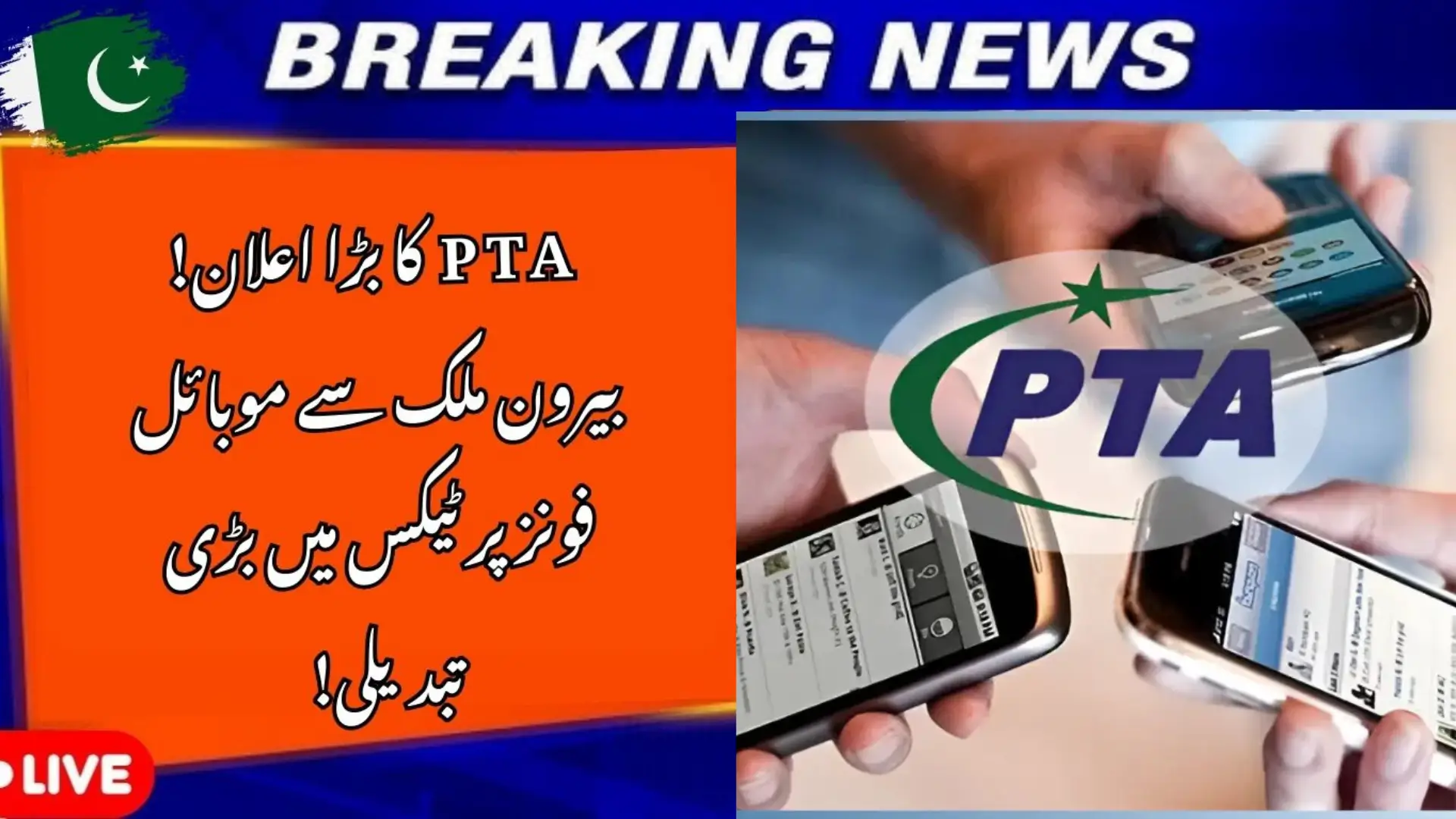
PTA Supports Tax Reduction on Imported Mobile Phones – Full Details for 2025. The Pakistan Telecommunication Authority (PTA) has expressed its support for reducing taxes on mobile phones imported from abroad. This development comes as policymakers continue discussions on making smartphones more affordable for the general public in Pakistan.

Smartphone prices have increased sharply over recent years due to high import duties and dollar fluctuations. A tax cut could bring significant relief to consumers, retailers, and the digital economy.
PTA Clarifies Its Official Role
Amer Shahzad, Director-General (Wireless – Licensing) at PTA, clarified that the authority does not collect any taxes on mobile phones. All tax-related responsibilities, including import duties and sales taxes, fall under the Federal Board of Revenue (FBR).
He also highlighted that PTA employees do not receive free phones or duty-free units.

“PTA officials pay the same mobile phone taxes as every citizen,” he stated.
This clarification was issued to counter misinformation and ensure transparency in the regulatory process.
Why Reducing Mobile Phone Taxes Matters
High taxes on imported smartphones have made modern mobile devices expensive for many people in Pakistan. A reduction in taxes can have several benefits:
1. Lower Retail Prices
Cheaper smartphones can help:
- Students
- Professionals
- Low-income families
access essential digital tools for work, communication, and education.
2. Encouragement of Legal Imports
High taxes often push buyers toward smuggled or grey-market phones. Lower taxes may reduce illegal imports and increase revenue through legal channels.

3. Increased Mobile and Internet Usage
Affordable smartphones mean more people can:
- Use mobile internet
- Access digital banking
- Benefit from e-learning
- Participate in Pakistan’s growing digital economy
4. Boost to Pakistan’s Mobile Market
Retailers, wholesalers, and service providers are expected to see better sales once smartphone prices drop. This supports overall economic activity in the telecom sector.
PTA’s Role in Mobile Phone Regulation
Although the PTA regulates mobile networks, device approvals, licensing, and compliance standards, it cannot impose or collect taxes. The authority focuses on:

- Ensuring device safety
- Preventing illegal IMEI use
- Facilitating network quality
- Overseeing telecom operators
Tax matters remain the exclusive responsibility of the Federal Board of Revenue (FBR).
PTA has repeatedly clarified these facts to avoid public misunderstanding, especially regarding claims about free phones or untaxed purchases for staff.
Impact of a Tax Reduction on Consumers
For everyday users, a reduction in mobile phone taxes would result in:

- Significant price drops on imported smartphones
- Better availability of high-end and budget devices
- A stronger shift toward legal purchasing
- Improved access to technology in rural and urban areas
With smartphone demand rising in Pakistan, lower phone prices could accelerate digital transformation, fintech adoption, and online learning across the country.
Conclusion
The PTA’s endorsement of a mobile phone tax cut highlights the urgent need to make modern technology affordable and accessible for all Pakistanis. Although PTA does not collect taxes, its clear stance supports policy reforms that could benefit millions of consumers.
By maintaining transparency and clarifying that its staff also pay regular taxes, PTA reinforces accountability. If approved, the proposed tax reduction will help reduce smartphone prices, support legal imports, and strengthen the overall telecommunications ecosystem in Pak